
Platelet Rich Plasma for Younger Skin
Platelet-rich plasma, usually shortened to PRP, is an add-on where the gap between the pitch and the evidence is worth measuring before paying for it.
The sections below cover what a PRP visit involves, what professional bodies say about the research, what a blinded study found, how many sessions to plan for, and which questions to put to a provider before buying a package.
What a PRP visit involves
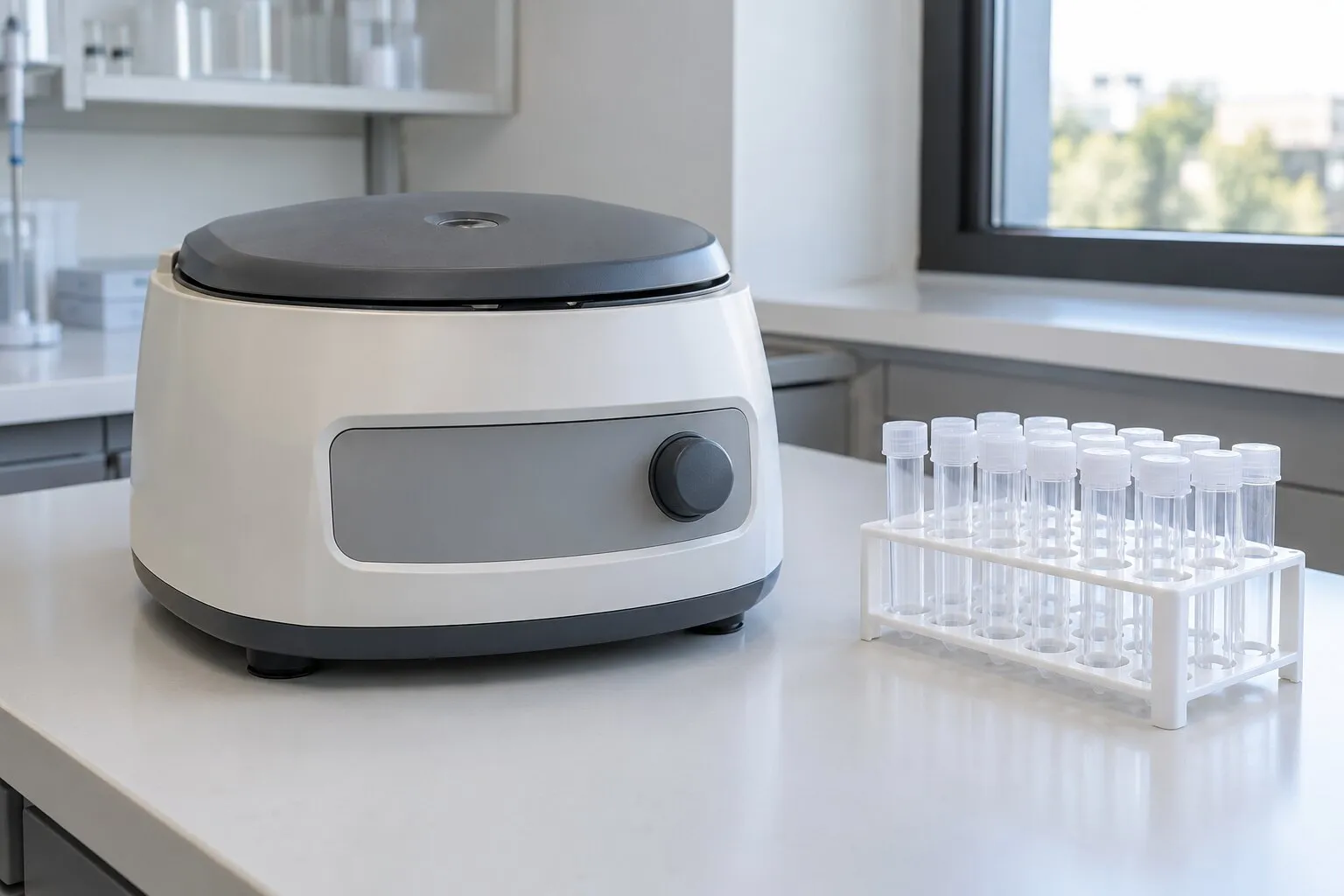
The American Academy of Dermatology describes PRP as a 3-step procedure that involves having your blood drawn from your arm, placed into a machine that separates the platelets from the rest of your blood, and re-injected into you, but only the part of your blood that contains a high concentration of platelets. The American Academy of Dermatology says the entire procedure takes about 45 minutes to one hour, and that some patients are finding that PRP can reduce wrinkles, plump up sagging skin, get rid of deep creases, improve one's complexion and diminish acne scars, with little to no downtime.
The list of possible benefits is long. That is a reason to ask which one is expected for you and how it will be measured. PubMed Central hosts an article on platelet-rich plasma for skin rejuvenation for readers who want the research literature in place of a summary.
How little research there is
The American Academy of Dermatology says that despite the hoopla, there is little evidence to show that PRP works, or doesn't work. The American Academy of Dermatology explains that few studies have been conducted because the federal regulator does not require the large, complex studies necessary for new drugs, and that since PRP uses needles and a centrifuge, it is classified as a medical device, for which the rules are less demanding.
The wording cuts both ways: little evidence that it works, and little evidence that it does not. A fair offer would say so plainly and would not price the treatment as if a result were assured.
The case made for it
The American Society of Plastic Surgeons says platelets have been shown to release over 30 growth factors and other biologically active proteins, with effects including new blood vessel formation and tissue growth, and that this mix of natural growth factors likely explains the wide range of therapeutic benefits reported for platelet-rich plasma. The American Society of Plastic Surgeons describes platelet-rich plasma as easy and inexpensively produced using the patient's own cells, with little or no risk of adverse effects, while noting that, particularly for cosmetic procedures, treatments can be time consuming and may require multiple sessions.
Note the word likely in the first claim. It offers an explanation for reported benefits and is not a measured result. Note also that inexpensively produced describes making the product, not what a clinic charges for it. The plastic surgeons' press release on the evolving role of platelet-rich plasma states both points.
Sessions, bruising and time
The American Academy of Dermatology says researchers have found that most patients who get results have 3 or more treatments, which means 3 or more visits to a dermatologist's office to have blood drawn, treated, and injected back into you. The American Academy of Dermatology says you may have a bit of pain, bruising, and swelling afterwards, and that these tend to go away within a few days.
Price per session multiplied by three or more is the figure to compare, not the price of the first visit. Little to no downtime and a few days of bruising are not quite the same claim, so ask what to plan for around a date that matters to you.
What a blinded study found
A randomized, blinded cohort study of platelet-rich plasma combined with microneedling around the eyes, available on PubMed Central, says PRP injections are thought to contribute to skin rejuvenation through fibroblast activation, collagen synthesis, and by providing other matrix components and various growth factors. The same PubMed Central study reports that despite subjective reports of improvement, objective evaluations by independent dermatologists did not demonstrate significant changes, and that variability in outcomes might be attributed to differences in study design, treatment protocols, and assessment methods.
That pairing is the most useful one in the research cited here. People reported feeling better, and independent assessors did not see a significant change. It is one study of one area and does not settle the question, but it is the kind of finding a headline pitch leaves out. Ask whether the provider measures results with photographs or an independent assessor, or relies on how you feel. The full study of PRP with microneedling for the periorbital area is open for anyone who wants to read the method.
Questions for a PRP package
Ask how many sessions the price covers and how many the provider expects you to need. Ask whether microneedling or another procedure is bundled in, and what each part is expected to contribute, since a combined result cannot be credited to one part. Ask how the result will be measured and when, and what the provider says about the strength of the evidence. Ask also whether the price changes if a fourth or fifth visit is recommended. The dermatologists' statement says three or more, which is a floor and not a ceiling.
Only then does a discount mean anything. A saving on a bundle of treatments, each with its own unproven benefit, is a saving on an unproven total.
What to take away
PRP uses the patient's own blood, takes about 45 minutes to an hour a visit, and is described by the American Academy of Dermatology as having little to no downtime. The academy also describes the evidence as limited, and the one blinded study cited here found no significant change on independent assessment. That combination argues for caution with prepaid packages and for paying visit by visit until a benefit has shown.
Readers weighing PRP for acne scars can read a prospective comparative study of PRP with and without microneedling for atrophic facial acne scars to see how such a comparison is run before deciding what to ask a provider.